

Description
Product Overview
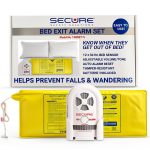
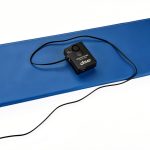
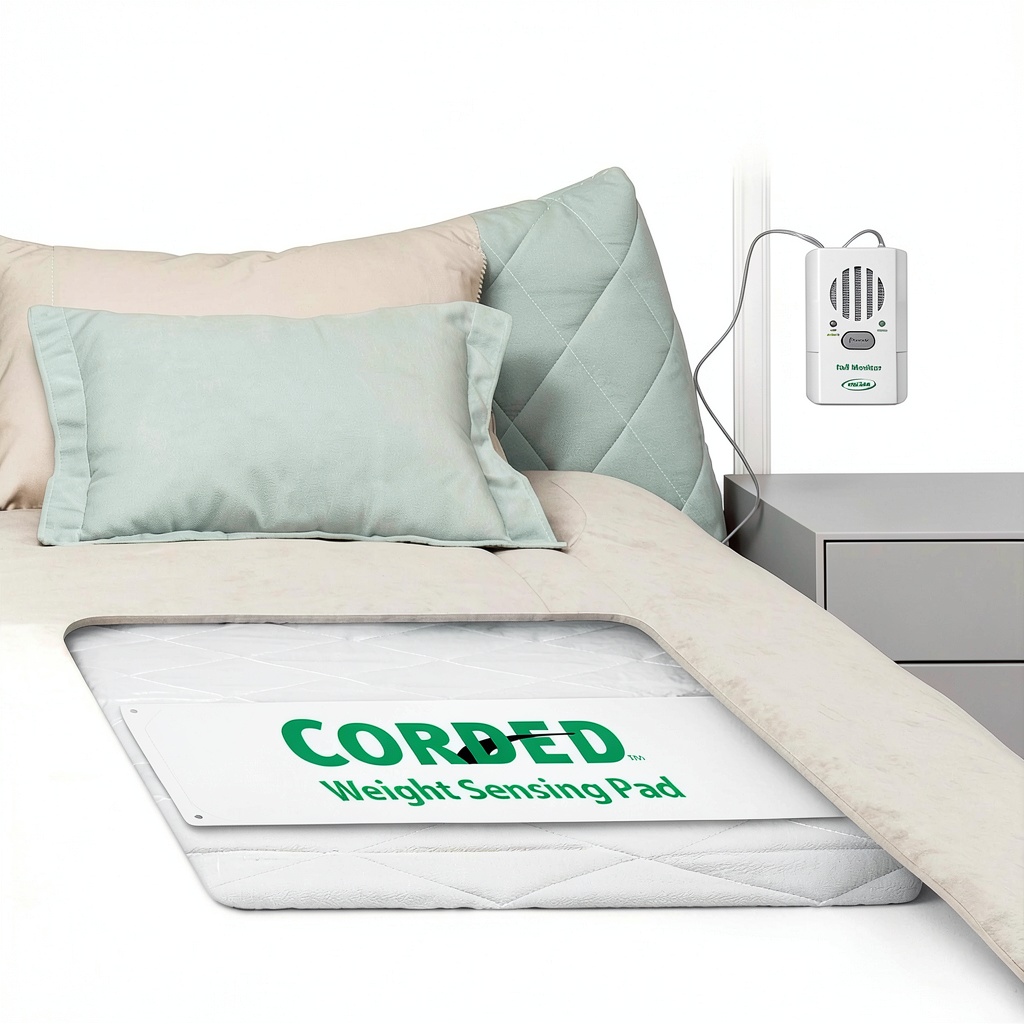
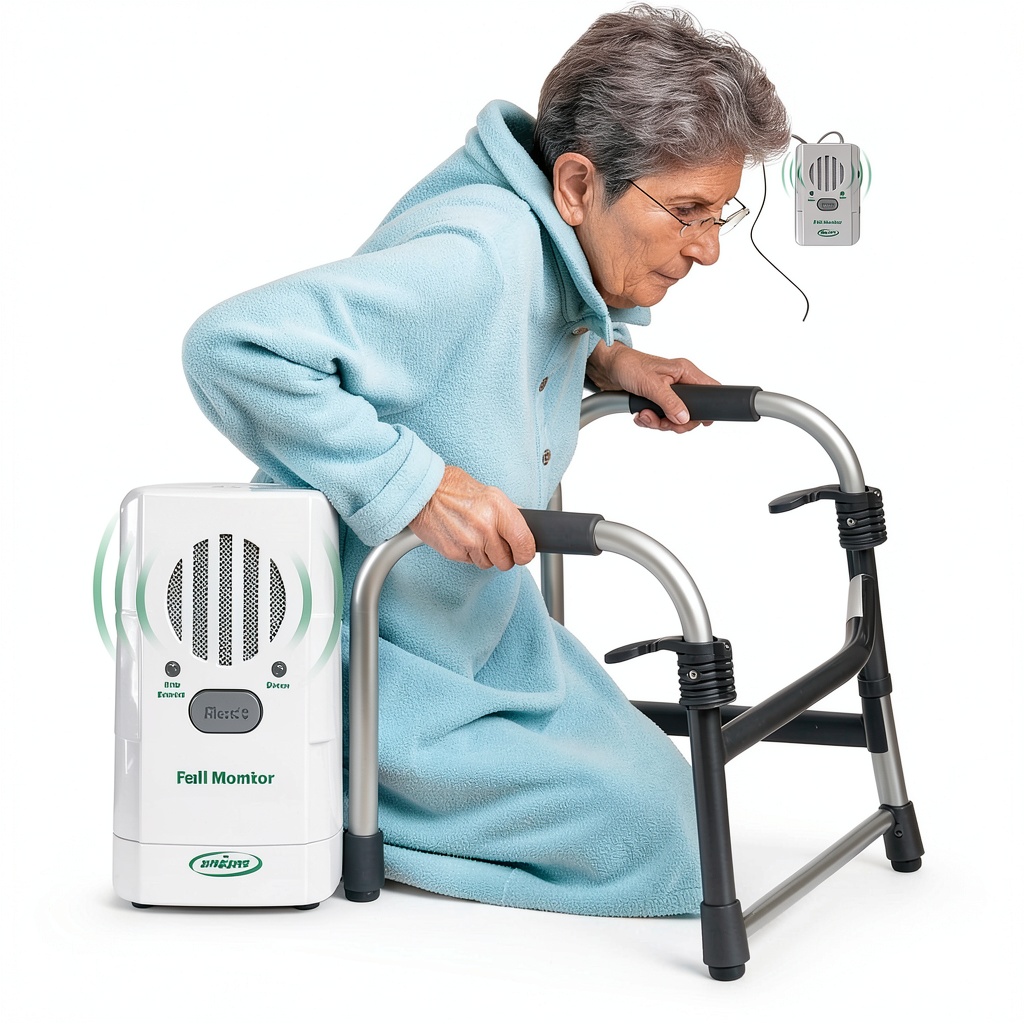
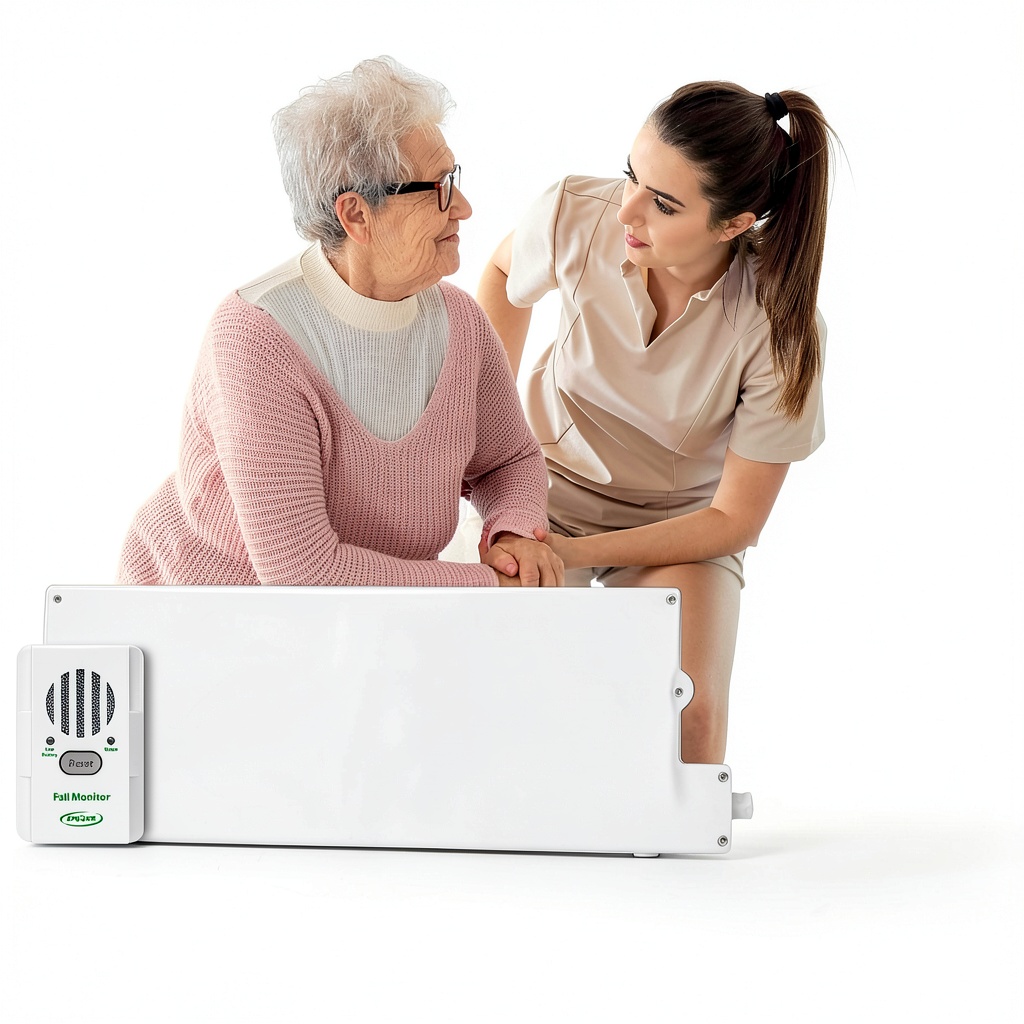
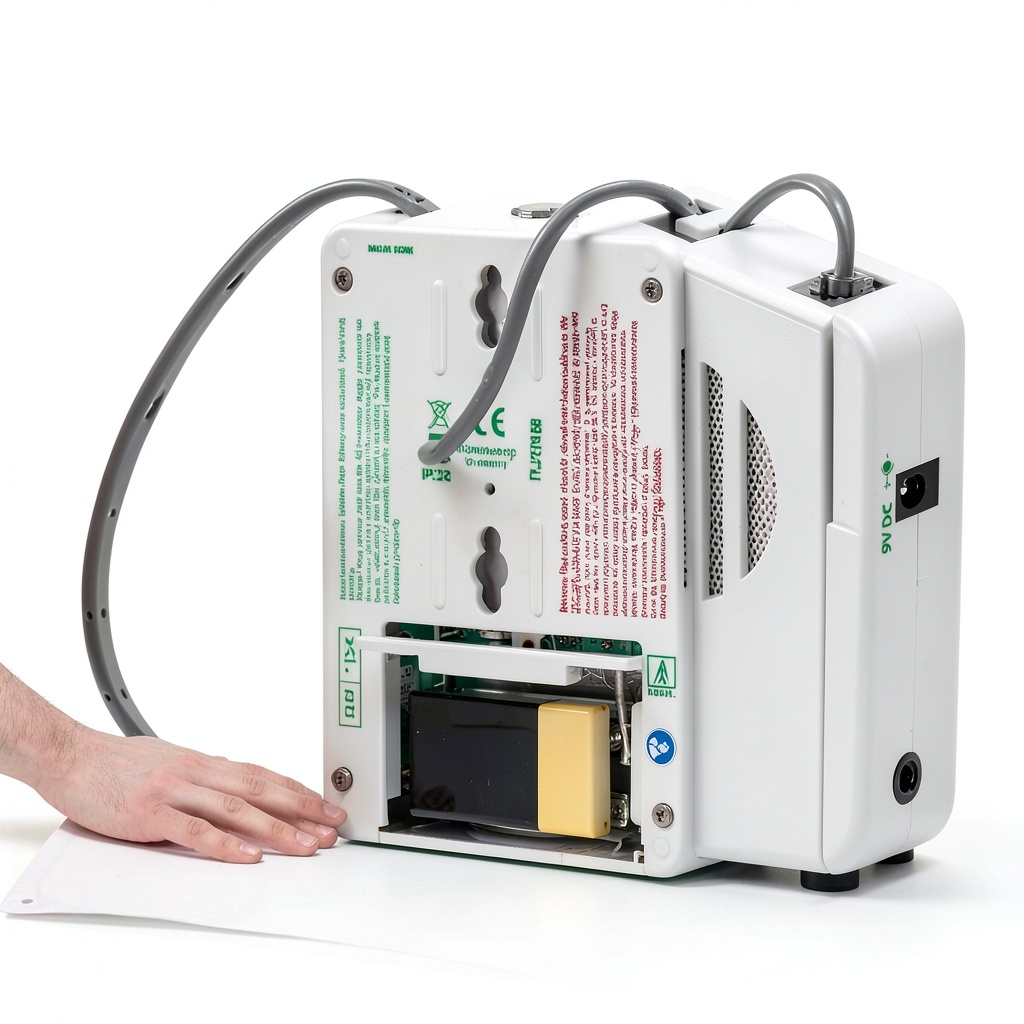
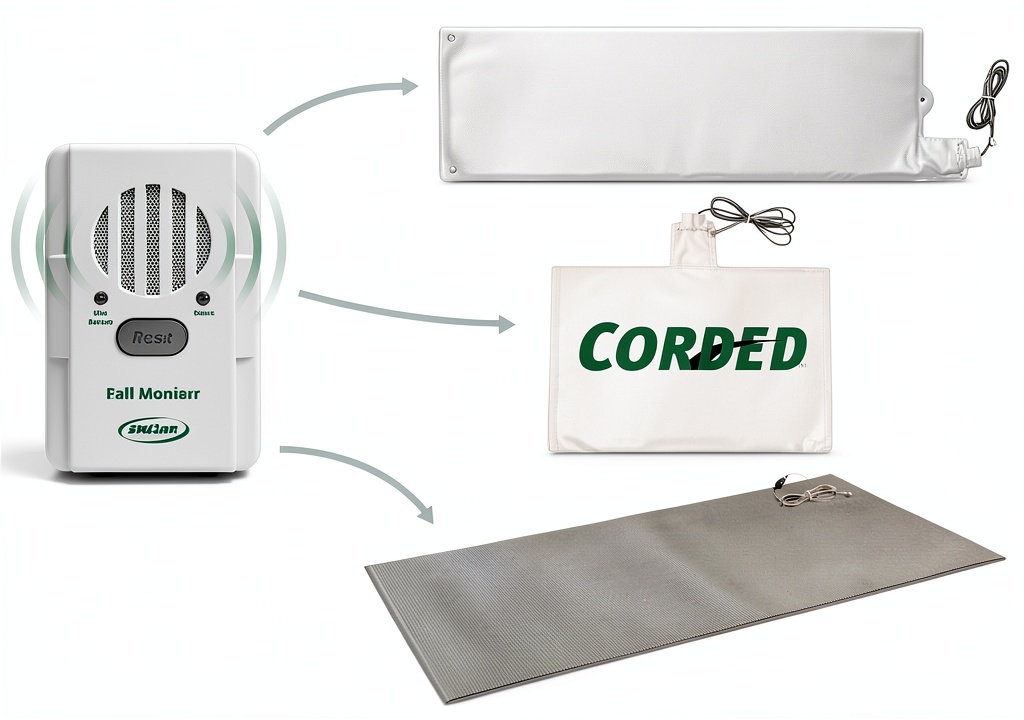
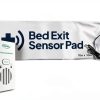
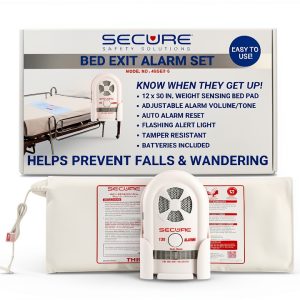
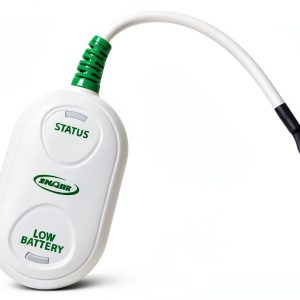
The Smart Caregiver Bed Alarm is a purpose‑engineered patient monitoring solution designed to provide peace of mind for caregivers, family members, and healthcare professionals caring for adults who require safe sleep environments. Built around a soft, latex‑free vinyl weight‑sensing pad, the system detects even subtle shifts in body weight when a patient sits up, rolls over, or attempts to leave the bed. The pad measures 30 inches wide by 10 inches deep, a size that fits comfortably under standard fitted sheets without disrupting sleep comfort. Its foam interior offers gentle cushioning while the sealed, waterproof construction protects against incontinence, ensuring reliable operation even in humid or moist conditions. The alarm unit itself is compact, white, and features an intuitive interface with a prominent reset button, a low‑battery indicator, and a volume control dial that lets users adjust the alert tone to suit the care setting. Powered by a single 9‑volt battery (not included), the device delivers up to 30 days of standby life, and the battery status is clearly displayed so caregivers can replace it before the alarm loses power. The entire system complies with industry safety standards, carries a one‑year warranty covering both the alarm unit and the weight pad, and meets UL and CE requirements for medical devices. With a best‑seller rank in the patient alarms category, this product has proven its reliability across home care, assisted living, and hospital environments.
![[Product front view showing all components]](https://www.tolviro.store/wp-content/uploads/2026/06/045b969644f9485184c5128aa93fe250.jpg)
Usage
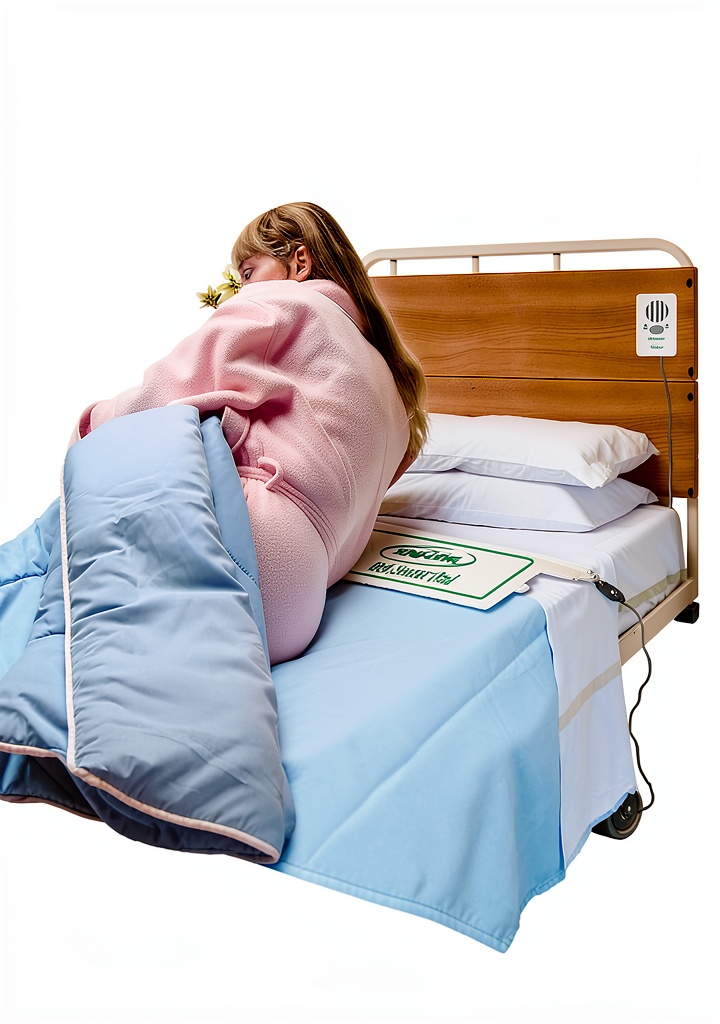
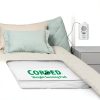
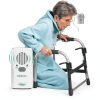
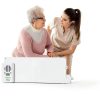
The bed alarm is ideal for a variety of real‑world scenarios where patient mobility must be monitored without constant visual supervision. In a private home, family members can place the pad beneath the patient’s back or buttocks before bedtime; the alarm will sound the moment the individual sits up or attempts to stand, allowing a caregiver to intervene before a fall occurs. In assisted‑living facilities, staff can install the pads on multiple beds and rely on the audible alerts to manage nighttime wandering, a common concern for residents with dementia or early‑stage Alzheimer’s disease. Hospital wards benefit from the device’s quick‑install design: the pad slides under the sheet, the alarm is positioned on a bedside table, and the system is ready to operate within minutes. The low‑battery indicator ensures that staff are warned well before power loss, and the reset button allows the alarm to be silenced temporarily for routine care activities such as bathroom trips, then re‑armed automatically. Because the pad is sealed against fluids, it can be cleaned with a damp cloth, making it suitable for environments where hygiene is paramount. The alarm’s volume control lets users set the sound level low for quiet rooms or higher for noisy units, adapting to the acoustic needs of each setting. For patients who require intermittent monitoring during physical therapy sessions, the pad can be placed on a therapy table, providing the same weight‑sensing capability without interfering with movement exercises. In long‑term care settings, the alarm can be integrated into nightly safety rounds, allowing staff to quickly verify that each resident’s alarm is active and the battery is healthy.
Why Choose Us
Choosing the Smart Caregiver Bed Alarm means selecting a product that combines thoughtful engineering with a commitment to user safety. First, the weight‑sensing technology is calibrated to detect a minimum of 5 pounds of pressure change, which is enough to recognize a patient’s intent to move while avoiding false alarms caused by normal breathing or minor shifts. Second, the pad’s latex‑free vinyl material reduces the risk of skin irritation, an important consideration for patients with sensitive skin or those prone to pressure sores. Third, the sealed design not only protects the electronics from spills but also extends the product’s lifespan, reducing the need for frequent replacements. Fourth, the alarm unit’s user‑friendly interface minimizes training time; caregivers can learn to operate the device in under five minutes, and the clear visual indicators guide them through battery replacement and volume adjustment. Fifth, Smart Caregiver stands behind its products with a comprehensive warranty and responsive customer support that assists with troubleshooting, parts ordering, and warranty claims. Sixth, the system’s low power consumption and long‑lasting battery mean fewer service interruptions, a critical factor for facilities that operate 24/7. Seventh, the product’s proven track record—reflected in its high customer rating and strong sales rank—demonstrates that it meets the practical demands of both home and professional care environments. Finally, the company’s dedication to continuous improvement ensures that future firmware updates and accessory options will keep the alarm compatible with evolving care standards.
Key Features
- Soft, latex‑free vinyl pad with foam interior provides comfortable, pressure‑sensing support while protecting against incontinence.
- Instant audible alarm alerts caregivers the moment a patient sits up or leaves the bed, reducing fall risk.
- Adjustable volume control lets users set alert levels appropriate for quiet homes or busy care facilities.
- Low‑battery indicator and easy 9‑volt battery replacement keep the system reliable for long‑term use.
- One‑year warranty and dedicated after‑sales support ensure peace of mind and quick assistance when needed.
FAQ
How does the weight‑sensing pad differentiate between normal movement and a patient getting out of bed?
The pad is calibrated to recognize a pressure change of at least five pounds, which typically occurs when a person shifts from a lying to a sitting position or stands up. Normal breathing and minor adjustments while lying generate far less pressure variation, so the system ignores those movements and only triggers the alarm when a significant weight shift is detected. The sensor also includes a short debounce interval to prevent rapid, repeated alerts if the patient makes small, repeated motions.
Can the alarm be used with patients who have limited mobility or who use a wheelchair?
Yes. The pad can be positioned under the patient’s back or buttocks while they are seated in a wheelchair or on a recliner, as long as the surface is firm enough to transmit weight changes to the sensor. The alarm will sound when the patient attempts to stand or move beyond the safe range, providing an extra layer of safety for individuals who require assisted transfers. The pad’s waterproof seal also protects it from sweat or accidental spills that are common in wheelchair use.
What steps should I take if the alarm sounds repeatedly without the patient leaving the bed?
If you experience frequent false alarms, first check that the pad is correctly placed flat under the fitted sheet and that no objects are pressing on it from the side. Ensure the sheet is snug and not bunching up, which can create pressure points. Verify that the battery is fully charged, as low power can cause erratic behavior. Inspect the alarm’s reset button to confirm it is not stuck in the pressed position. If the issue persists after these checks, consult the user manual’s troubleshooting section or contact Smart Caregiver’s support team for further assistance. They can guide you through a sensor recalibration process or arrange a replacement if a hardware defect is identified.
Is the device compatible with other monitoring systems or smart home integrations?
The current model operates as a standalone alarm with a built‑in speaker and does not include wireless connectivity for integration with external smart home platforms. However, the audible alert can be heard throughout the care area, and the device’s simple design makes it easy to pair with additional visual or vibrating alerts if a facility wishes to expand its monitoring capabilities. Future versions are planned to incorporate Bluetooth Low Energy (BLE) and Wi‑Fi modules, allowing seamless integration with electronic health record (EHR) systems and remote monitoring dashboards.
How often should the weight pad be cleaned, and what cleaning methods are recommended?
The pad’s sealed, waterproof surface can be wiped down with a damp cloth and mild soap after each use or whenever it becomes soiled. Avoid submerging the pad in water or using harsh chemicals, as these could compromise the seal. For routine disinfection in clinical settings, an EPA‑approved hospital‑grade disinfectant can be applied, followed by a thorough rinse with clean water. Allow the pad to air dry completely before reinstalling it under the sheet to maintain optimal sensor performance. The manufacturer recommends a monthly inspection of the pad’s edges to ensure the seal remains intact.

Reviews
There are no reviews yet.