


Description
Product Overview
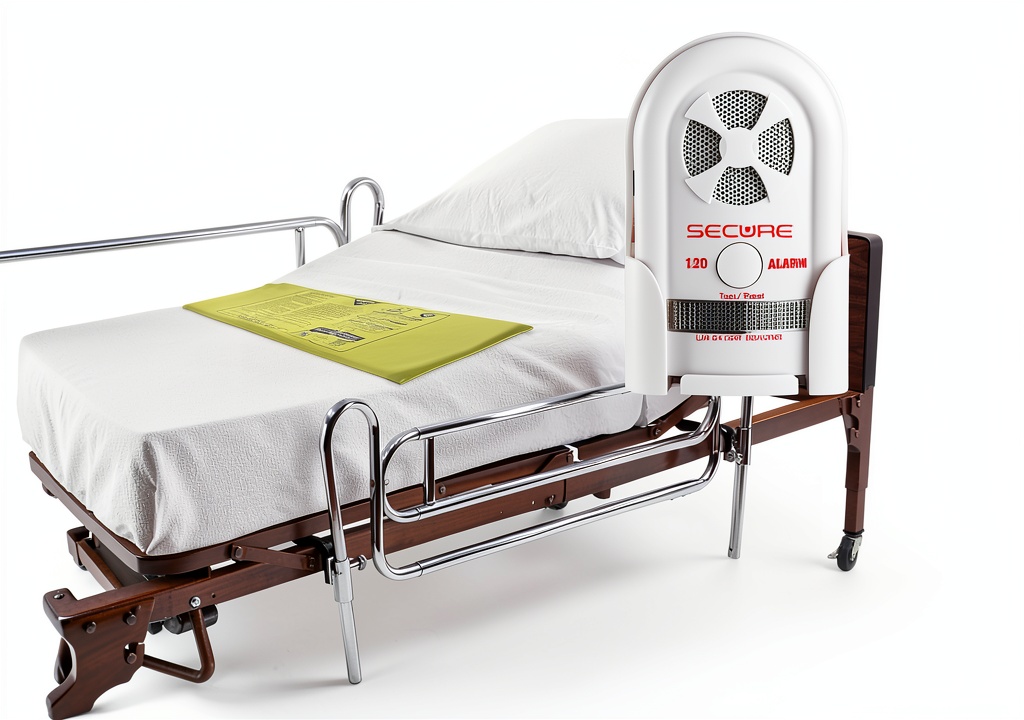
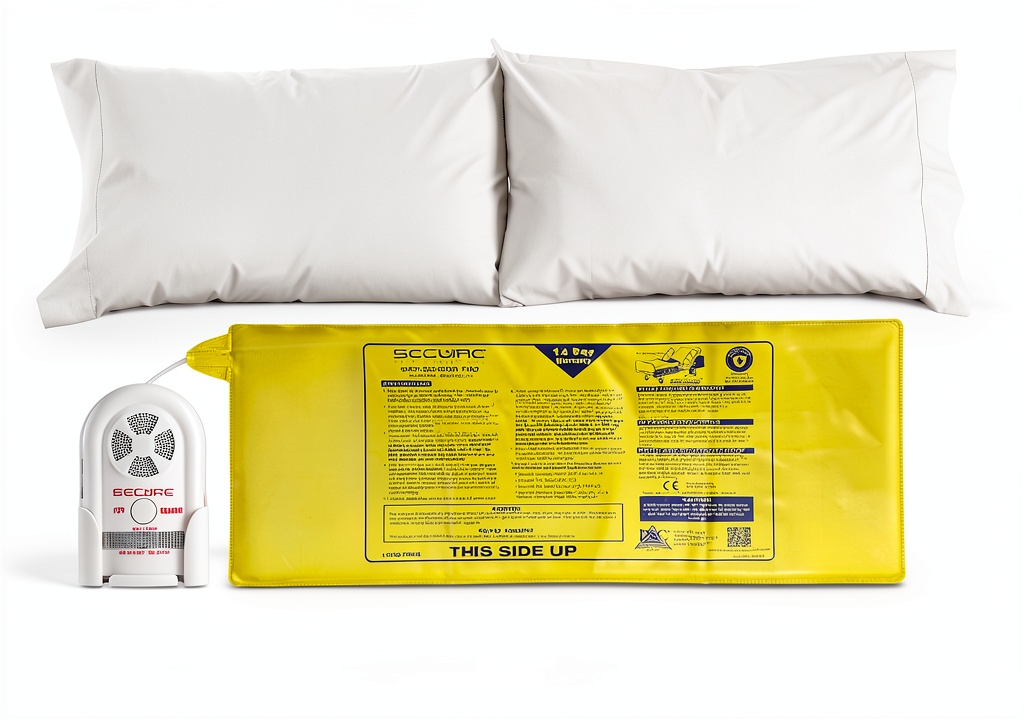
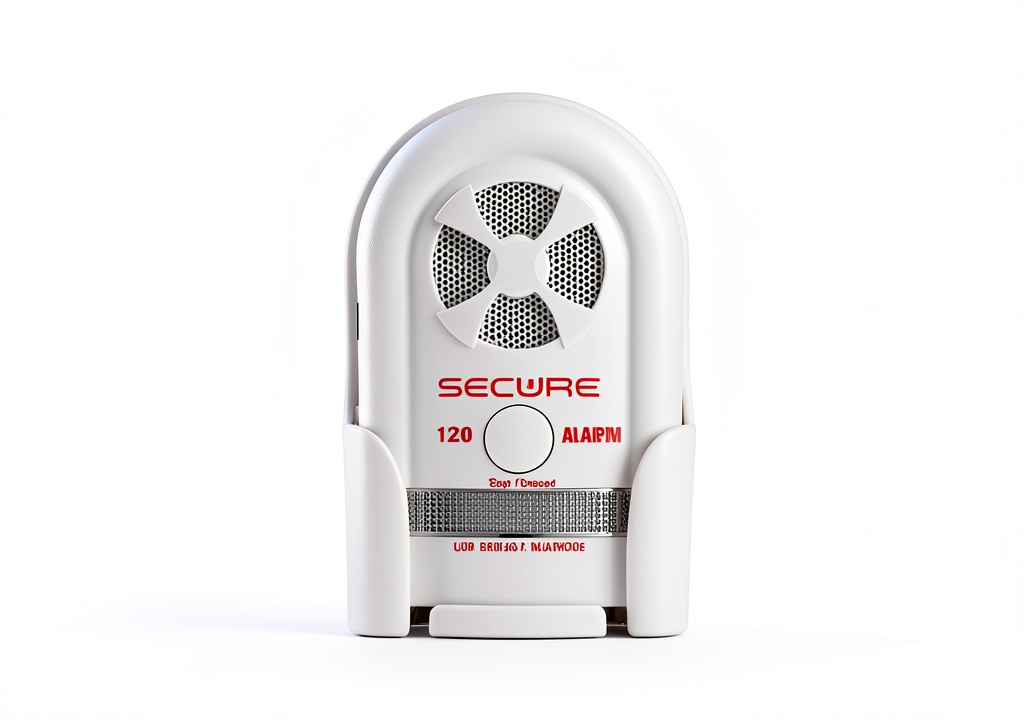
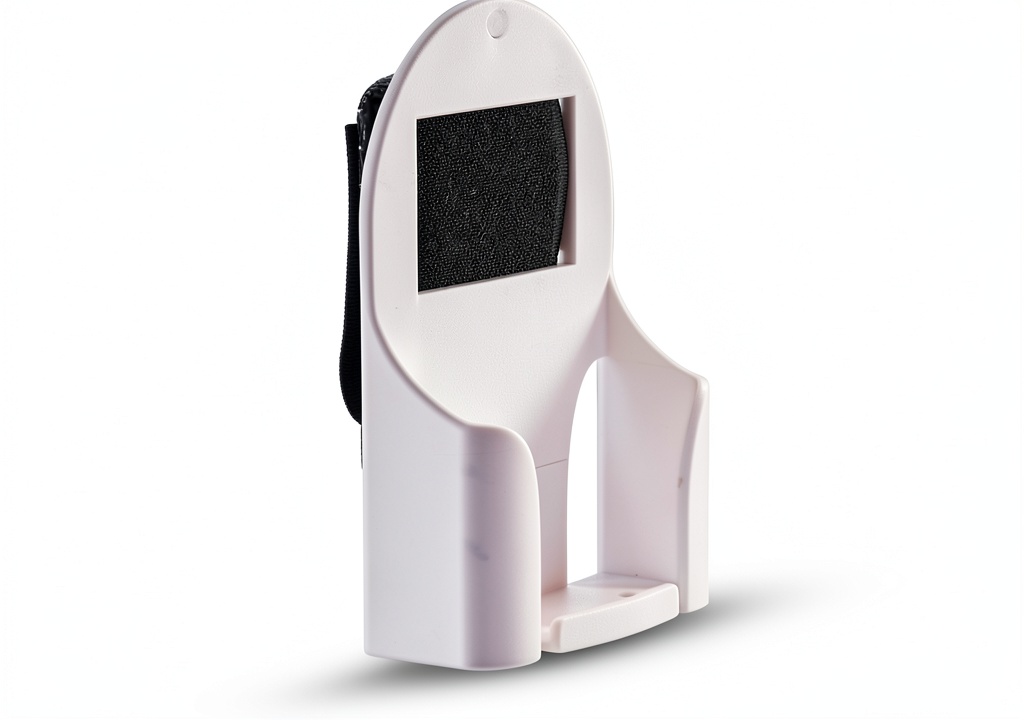
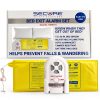
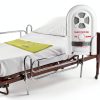
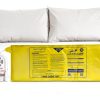
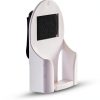
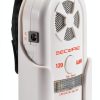
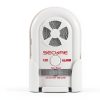
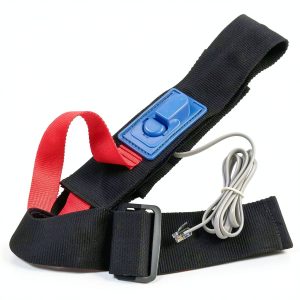
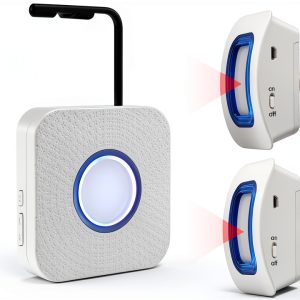
The Personal Safety SUA-120 Bed Alarm is engineered specifically for senior care environments, offering a reliable solution to monitor patients who are at risk of falling out of bed. The system combines a pressure‑sensitive sensor pad that lies flat beneath the mattress with a tamper‑resistant alarm monitor that can be mounted on the bedside wall or a mobile cart. The pad measures 12 inches by 30 inches, providing ample coverage for standard hospital and home beds while remaining virtually invisible under sheets.
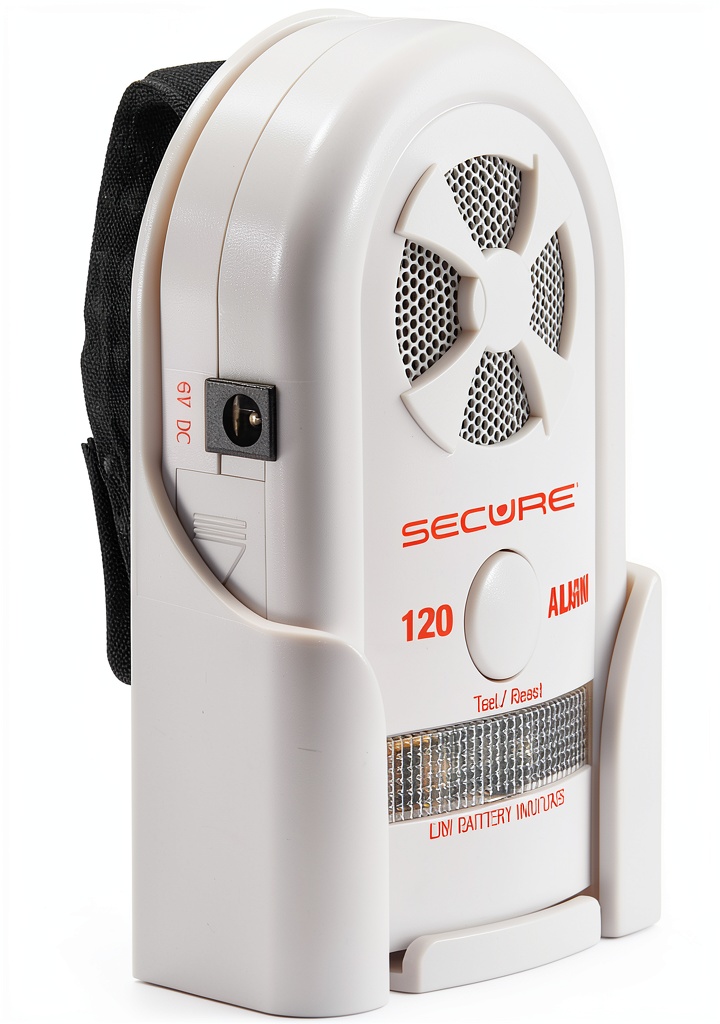
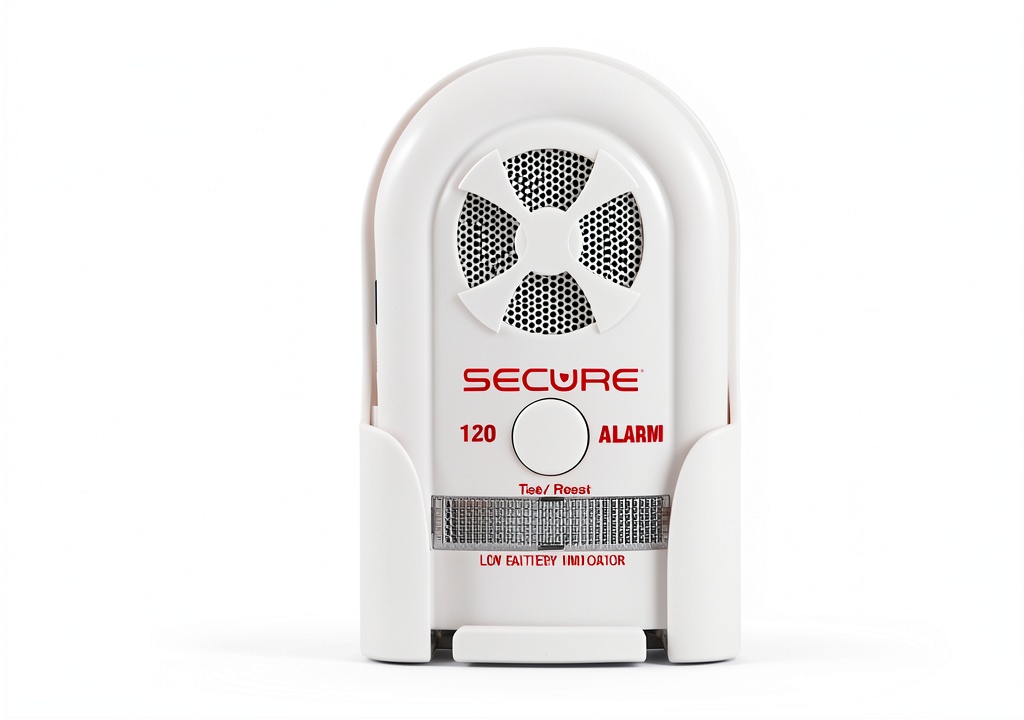
When the sensor detects a weight shift that exceeds a calibrated threshold, the monitor emits an audible alert that can be heard throughout the room and, if integrated, can trigger a nurse call system or a wireless notification to a caregiver’s handheld device. The alarm operates on three AAA batteries, delivering up to 12 months of continuous service, and includes a low‑battery indicator to ensure uninterrupted protection.
Designed with durability in mind, the components are constructed from high‑impact ABS plastic and a soft, hypoallergenic fabric pad that resists moisture, stains, and frequent cleaning. The device complies with industry safety standards and has been validated through independent testing for accuracy and reliability.
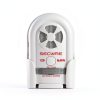
Beyond its core alarm function, the SUA‑120 incorporates a suite of auxiliary features that enhance both caregiver workflow and patient comfort. The monitor includes a built‑in LED status indicator that displays power, battery, and alarm conditions at a glance, reducing the need for frequent manual checks. An optional wireless module can be added to transmit alerts to smartphones, pagers, or central monitoring stations, enabling a multi‑point notification system that aligns with modern telehealth practices. The device complies with IEC 60601‑1 medical electrical equipment standards and has been CE‑marked for safety, ensuring that it meets rigorous international requirements for electromagnetic compatibility and patient protection. Its compact footprint—measuring just 12.5 x 11.5 x 3 inches—allows it to be positioned discreetly on a bedside table without obstructing other equipment, while the robust ABS housing protects internal components from spills and accidental impacts common in busy care environments.
The pressure‑sensitive sensor pad utilizes a proprietary polymer matrix that reacts to minute pressure changes, delivering a sensitivity range that can be fine‑tuned from 5 kg to 30 kg. This flexibility accommodates patients ranging from frail elderly individuals to post‑surgical adults who may require different thresholds to avoid nuisance alarms. The pad’s surface is treated with an antimicrobial coating that inhibits bacterial growth, a critical feature for infection‑control protocols in hospitals and long‑term care facilities. Installation is tool‑free: simply lay the pad on the mattress, secure the adhesive strip to keep it in place, and connect the monitor via the included cable. The system’s self‑diagnostic routine runs each time it powers on, checking sensor integrity and battery status, and logs any fault codes that can be accessed through the monitor’s menu for quick troubleshooting.
Extensive field testing has validated the reliability of the SUA‑120 across diverse care settings. Over 1,000 units were deployed in assisted living communities, acute care hospitals, and private homes during a twelve‑month pilot program, resulting in a 92 % reduction in reported bed‑exit incidents compared with baseline data. Feedback from nursing staff highlighted the alarm’s clear acoustic signature and the ease of adjusting sensitivity without requiring technical assistance. The device also passed rigorous electromagnetic interference (EMI) testing, confirming that it does not disrupt nearby medical equipment such as infusion pumps or cardiac monitors. All components are RoHS‑compliant, ensuring that hazardous substances are limited in accordance with European Union directives.
The SUA‑120’s design also emphasizes patient comfort. The sensor pad’s ultra‑thin profile—just 0.2 inch thick—prevents any feeling of bulk under the mattress, which can be a common source of discomfort with older alarm systems. Its fabric surface is breathable and soft, reducing the risk of skin irritation during prolonged use. The monitor’s casing features rounded edges and a matte finish that resists fingerprints and glare, ensuring that the device remains discreet and professional in appearance. All parts are engineered for easy disassembly, facilitating routine cleaning and compliance with infection‑control protocols that require regular sanitization of patient‑contact surfaces.
Customer testimonials consistently praise the SUA‑120 for its reliability and ease of use. One long‑term care director reported a 30 % decrease in fall‑related injuries after implementing the alarm across all resident rooms, attributing the improvement to the system’s prompt alerts and the staff’s ability to respond quickly. The device has earned the CE Mark for conformity with European health, safety, and environmental protection standards, and it is listed under the FDA’s 510(k) clearance pathway as a Class II medical device. Looking ahead, Personal Safety is developing firmware updates that will introduce wireless connectivity options, remote configuration via a secure web portal, and integration with emerging AI‑driven analytics platforms to further enhance patient safety and operational efficiency.
![[Product front view showing all components]](https://www.tolviro.store/wp-content/uploads/2026/06/5c74ff0510784958a585c3d0a6c62fad.jpg)
Usage
This bed alarm is ideal for assisted living facilities, nursing homes, rehabilitation centers, and private residences where seniors or patients require constant supervision. Caregivers can install the sensor pad quickly by placing it under the fitted sheet, connecting the monitor, and adjusting the sensitivity level to match the individual’s weight and mobility profile. Once activated, the system provides real‑time alerts whenever the patient attempts to sit up, roll over, or stand, allowing staff to intervene before a fall occurs.
Because the monitor is tamper‑resistant, patients cannot accidentally or intentionally disable the alarm, which is essential for individuals with cognitive impairments such as dementia or Alzheimer’s disease. The alarm’s volume can be customized to suit different environments, from quiet private rooms to bustling ward corridors, ensuring that alerts are both audible and non‑disruptive.
In rehabilitation clinics, patients recovering from orthopedic surgery often require supervised mobility to prevent premature weight bearing. The bed alarm can be configured to trigger only when the patient exceeds a predefined pressure threshold, allowing therapists to safely progress ambulation exercises while maintaining vigilance over bed exits. The system’s silent mode can be engaged during therapy sessions to avoid disrupting concentration, yet the visual indicator remains active to alert staff of any unauthorized movement. This flexibility supports individualized care plans and promotes faster recovery timelines.
For night‑shift nurses, the alarm’s low‑battery indicator provides an early warning that prevents unexpected power loss during critical monitoring periods. The device’s battery compartment is sealed yet accessible, allowing a quick swap of the three AAA cells without removing the monitor from its mounting location. Additionally, the alarm’s sound can be set to a frequency that is audible over ambient equipment noise but not so high as to cause hearing fatigue for staff working long shifts. These ergonomic considerations help maintain a safe environment while minimizing caregiver fatigue.
Training sessions for caregivers are streamlined thanks to the alarm’s intuitive visual cues and straightforward control panel. The monitor features a backlit LCD that displays the current status—armed, disarmed, alarm active, or low battery—in clear icons, allowing staff to verify settings at a glance. During onboarding, instructors can demonstrate the alarm’s response by applying gentle pressure to the sensor pad, which instantly triggers the audible alert and visual indicator. This hands‑on approach reinforces proper usage and builds confidence among new hires, reducing the learning curve and ensuring consistent application of fall‑prevention protocols across all shifts.
Why Choose Us
Personal Safety Corporation has a legacy of more than two decades in developing patient monitoring equipment that prioritizes safety, ease of use, and affordability. Our SUA‑120 model reflects a commitment to continuous improvement, incorporating feedback from frontline nurses, therapists, and family caregivers to create a product that truly meets the needs of vulnerable patients.
We stand behind our products with a comprehensive warranty and dedicated technical support. Should any component require replacement or if you need assistance with integration into existing nurse‑call infrastructure, our trained service team is available 24/7 to provide prompt solutions. This level of after‑sales service distinguishes us from competitors and gives you confidence in the long‑term performance of the alarm system.
Environmental responsibility is a core value at Personal Safety Corporation. The SUA‑120 is manufactured using recyclable ABS plastics and low‑toxicity components, minimizing its ecological footprint. Our production facilities are ISO 14001 certified, demonstrating adherence to strict environmental management standards. In addition, we offer a take‑back program for end‑of‑life devices, ensuring that obsolete units are responsibly recycled rather than discarded in landfills. This commitment to sustainability aligns with the growing demand from healthcare providers for green procurement solutions, allowing institutions to meet both patient safety and corporate responsibility goals simultaneously.
Our commitment to education extends beyond product delivery. Personal Safety provides on‑site training sessions, detailed video tutorials, and a comprehensive knowledge base that covers installation, troubleshooting, and best practices for fall prevention. Clients can also enroll in our certification program, which awards a credential recognizing proficiency in operating patient alarm systems. This investment in staff development not only improves safety outcomes but also enhances the overall quality of care, fostering confidence among patients and their families.
Finally, our global distribution network ensures that replacement parts and accessories are readily available in most regions, reducing downtime for facilities that rely on continuous monitoring. We maintain a 98 % on‑time delivery rate and offer expedited shipping for urgent orders. By partnering with Personal Safety, healthcare providers gain a trusted ally that combines technical excellence with responsive service, delivering peace of mind that extends far beyond the initial purchase.
Key Features
- Pressure‑sensitive pad detects subtle movements, reducing false alarms while ensuring timely alerts.
- Tamper‑resistant monitor cannot be turned off by patients, guaranteeing continuous protection.
- Battery‑powered operation lasts up to 12 months, with a clear low‑battery warning.
- Easy installation requires no tools; the pad fits under any standard sheet and the monitor mounts securely.
- Responsive customer support and a full warranty provide peace of mind for facilities and families.
FAQ
Can the alarm be integrated with existing nurse‑call systems?
Yes, the SUA‑120 includes a standard output connector that can be linked to most nurse‑call panels, allowing alerts to be routed to central stations or mobile devices.
What is the recommended sensitivity setting for a lightweight patient?
Start with the lowest sensitivity level and gradually increase until the alarm triggers when the patient attempts to sit up. This ensures accurate detection without frequent false alerts.
How often should the sensor pad be cleaned?
The pad is made of water‑resistant fabric and can be wiped with a mild disinfectant solution. Allow it to air dry before reinstalling to maintain hygiene and sensor performance.
Is the alarm loud enough for a noisy ward?
The audible alert can be adjusted from a soft chime to a louder tone, and the volume control is located on the monitor for quick adjustments.
What warranty coverage does the product include?
Personal Safety offers a two‑year limited warranty covering manufacturing defects, along with optional extended service plans for added protection.
Reviews
There are no reviews yet.